




Strain Wave Gear Production in the Age of Humanoid Robots
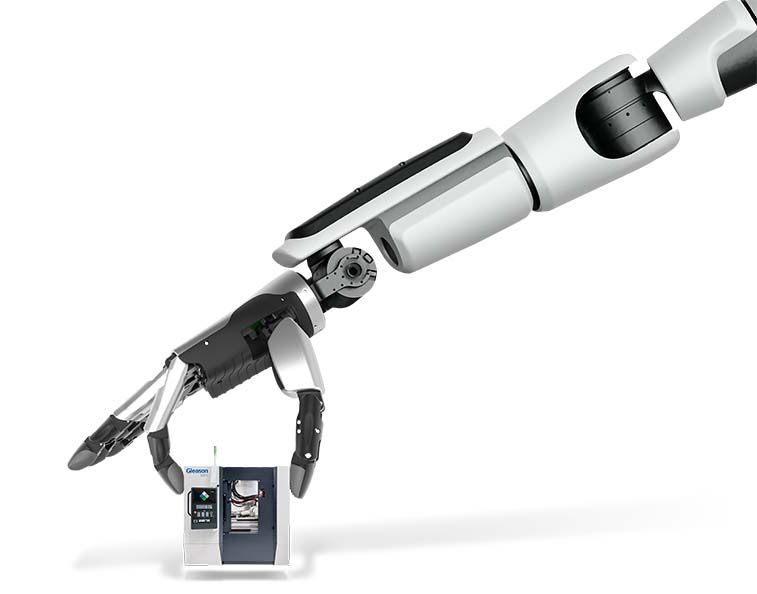
Humanoid robots need precise strain wave gears in their joints, and building and inspecting those gears at scale will call for equally advanced production technology
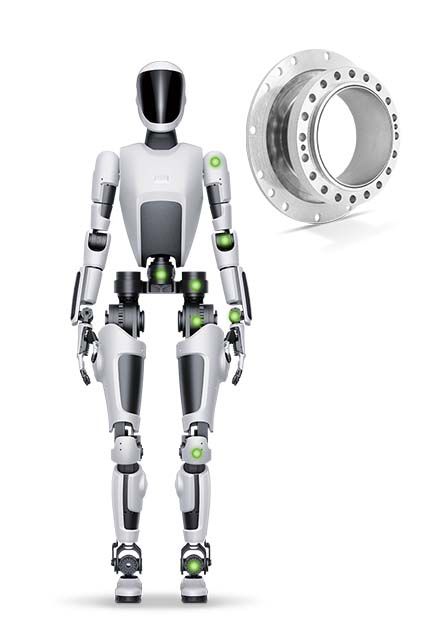
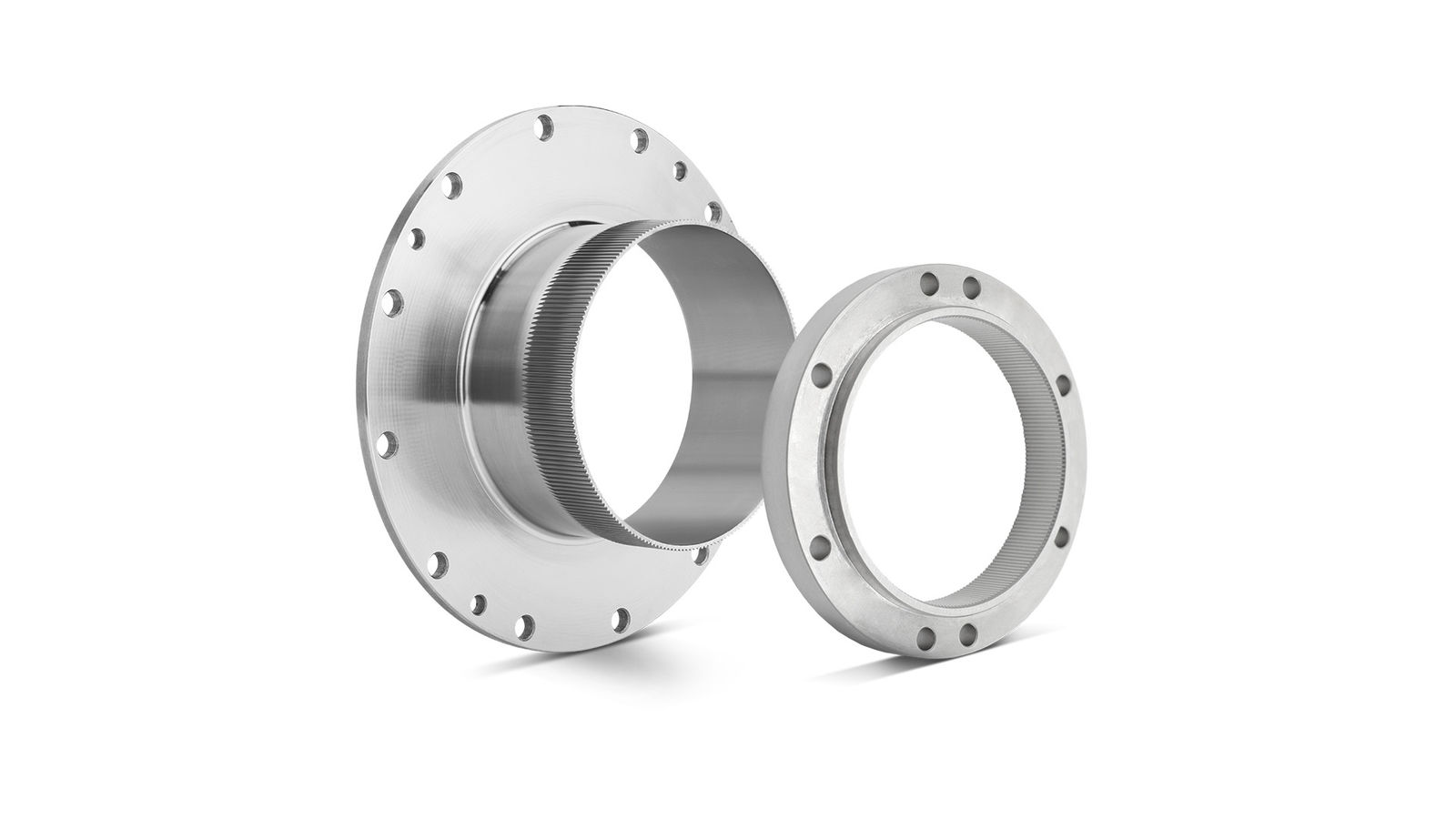
Strain wave gearbox with internal and external gears, both cut on 80PS. (All Images: Gleason Corp.)
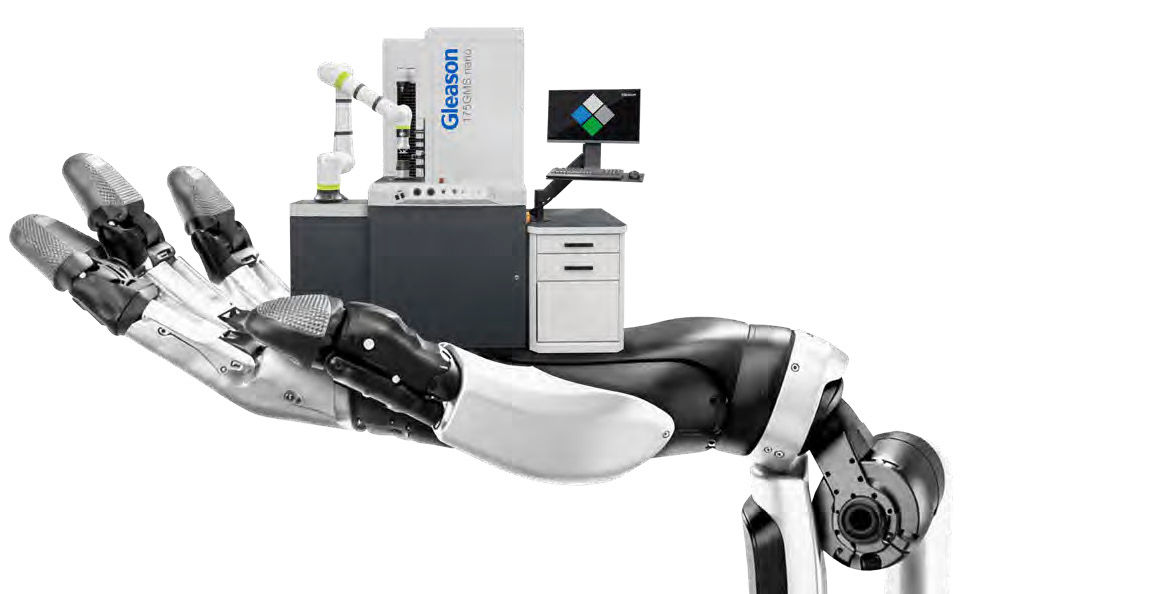
What was once considered pure science fiction is rapidly becoming reality: thousands, perhaps even millions, of humanoid robots could soon be working alongside—or in place of—their human counterparts. They are expected to play a role across a wide range of environments, from hotels and hospitals to factories and warehouses, as well as in homes, offices, and the defense industry.
Early “droids” were clumsy and relatively unintelligent, but they are evolving rapidly thanks to advances in artificial intelligence and engineering. These innovations are enabling robots to become increasingly capable, with more sophisticated functionality, greater dexterity, and an ever more human-like appearance.
While the humanoid “brain” has come a long way and gets much of the attention, it’s the “body” that most concerns the gear manufacturer—particularly the shoulder, arm, wrist, knee and ankle joints that must somehow replicate the amazing flexibility and dexterity of the human body. These joints must be small, efficient and lightweight—yet also able to bear the brunt of the repeated motion and impact that plays havoc with the human body—over time. Manufacturers have several different rotary and linear joint actuation options to consider but, increasingly, strain wave gears like Harmonic gear drives have been found to outperform other solutions. Strain wave gear-based actuators offer very high reduction ratios that cannot be matched by traditional geared actuators in such a compact, lightweight package. Furthermore, the design offers the added benefits of zero backlash, high torque, accuracy and reliability. Ultimately, these characteristics deliver the stability required for robot joints performing complex, human-like movements.
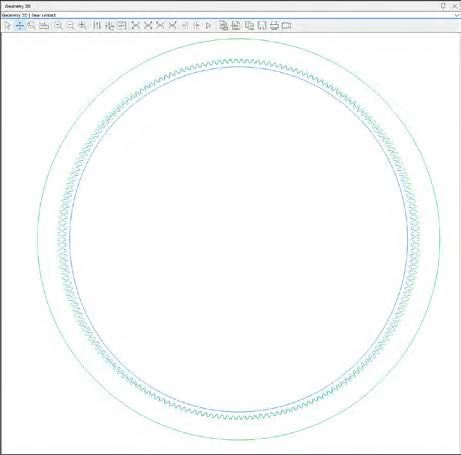
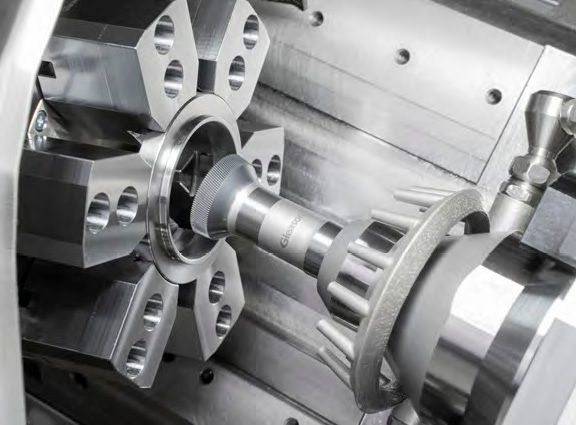
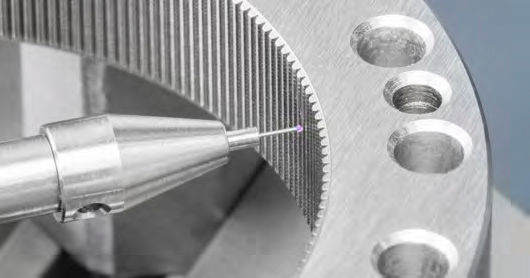
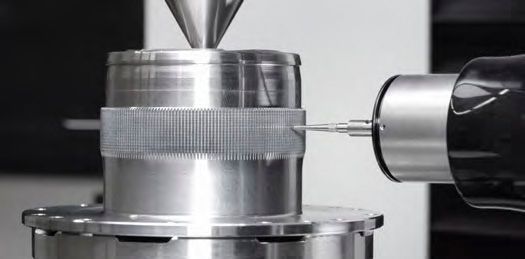
Case in PointProduction of a strain wave circular spline internal gear with 320 teeth. In the case of this small-module internal gear (about module 0.25 mm) with a high number of teeth, power skiving proves to be the perfect solution to achieve significant improvements in productivity and quality. For this application, Gleason provides a solid-carbide tool with AlCroNite Pro coating. The tool features standard quality, 163 teeth, designed for a 10-degree cross-axis angle. The power skiving application results in a total cycle time of just 0.7 min, performed in four cuts with automatic workpiece change. Gear quality is exceptional as well, achieving IT5 acc ISO 1328, with most criteria even better in the range of IT2. The hobbing operation is required to produce the flex spline with external gear teeth. In this case, Gleason provides a carbide shaft-type hob in AAA quality with AlCroNite Pro coating to deliver high durability, toughness, and resistance to wear and tear. Both hobbing and power skiving allow flexible lead line modifications for optimized assembly and load bearing of the gear set, as well as the use of topping tools for excellent profiles. 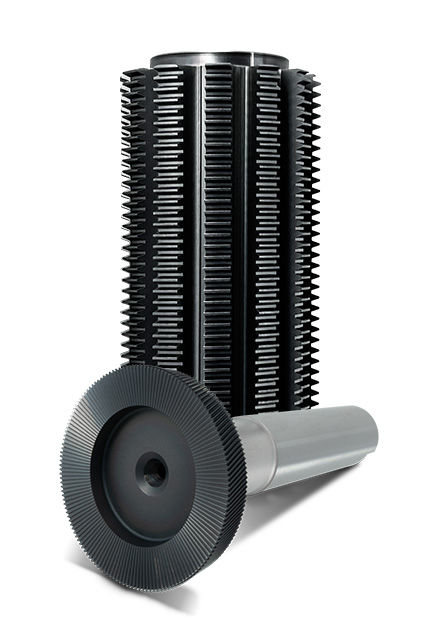 |