

Beyond the Involute
Tooth forms tuned for EV power density, and a production suite that now spans compound planetary design, linked skiving-honing simulation, and on-machine measurement
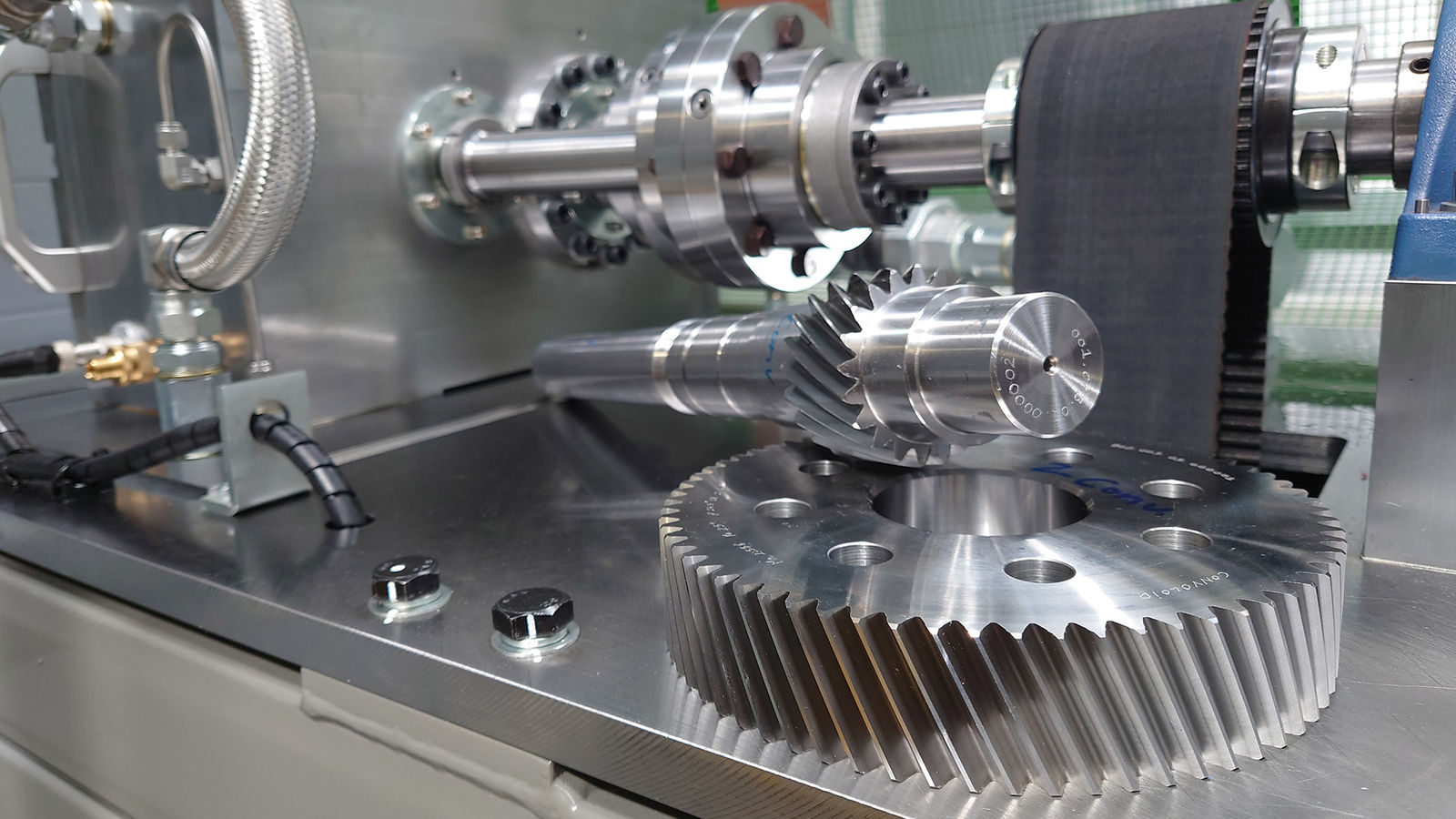
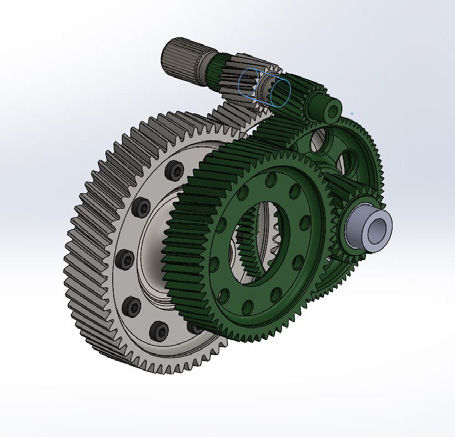
An in-house back-to-back rig built for non-involute gears. (All images: Dontyne)
| Editor’s Note: Dontyne Gears and Dontyne Systems share Booth 237118 (North Building, Level 3) at IMTS 2026. Dontyne Gears reports on its non-involute gear testing for EV and other automotive applications; Dontyne Systems introduces the GPS 5.9 software series. The Gear Production Suite (GPS) features in both. |
Non-Involute Gears for EV Applications
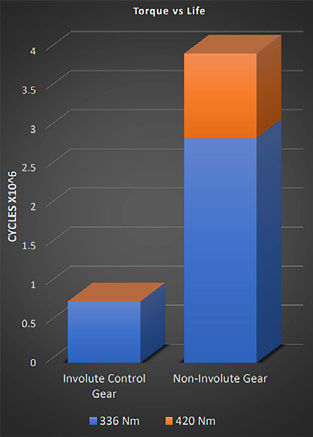
Dontyne has invited several automotive companies to present applications to assess the suitability of non-involute technology. There are not always advantages over involute designs, but EV applications seem especially suited, and 15–25 percent power-density gains are typical. There are also consequential benefits, such as reduced gearbox housing and transport costs. One client’s request for an existing design analysis showed that it was also suited to their final drive design despite the deflection during operation. Dontyne has designed and manufactured its own back-to-back rig to test this application. The British Gear Association has funded further testing and a more detailed report on this extend testing is available through them.
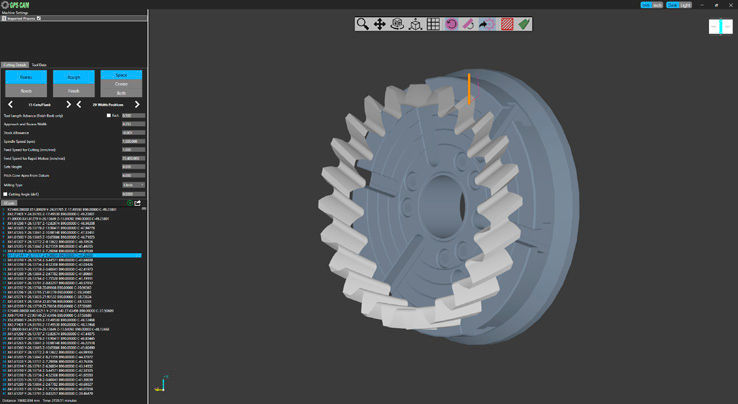
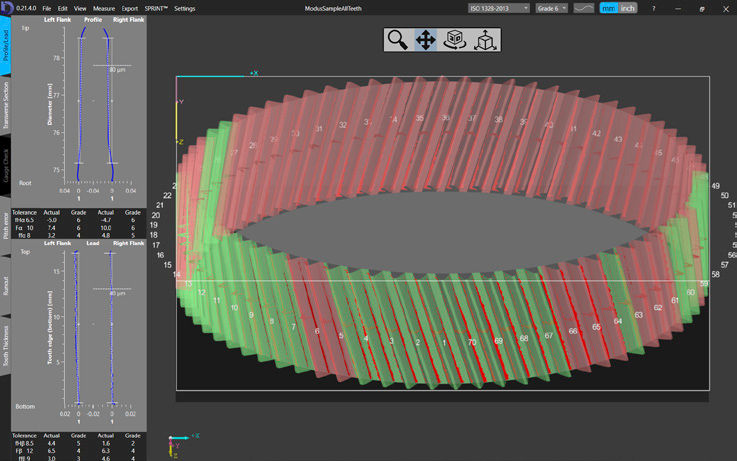
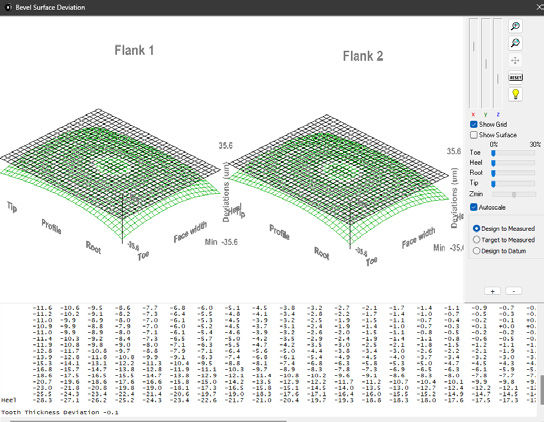
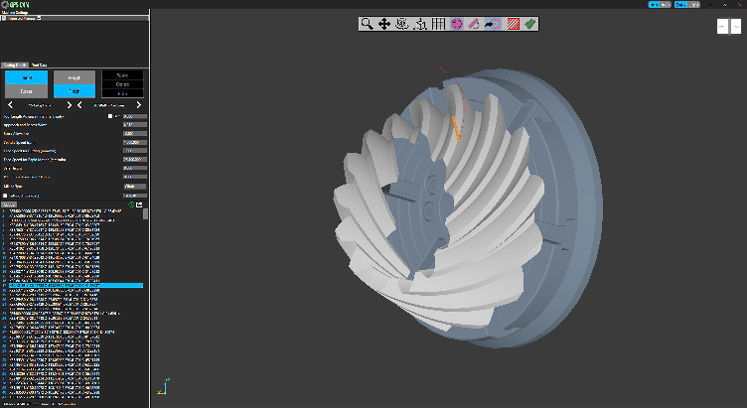
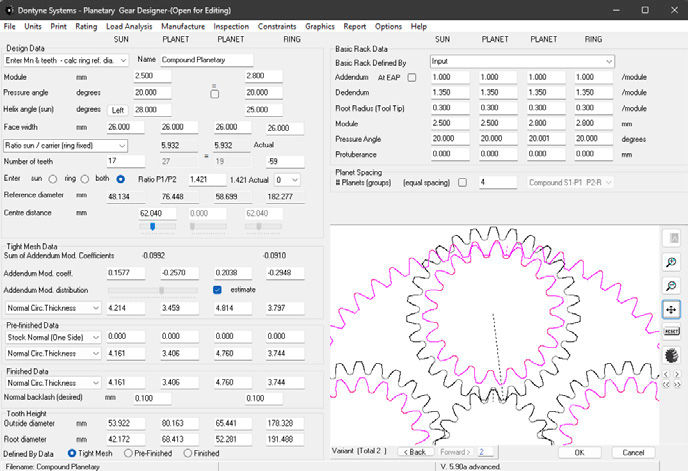
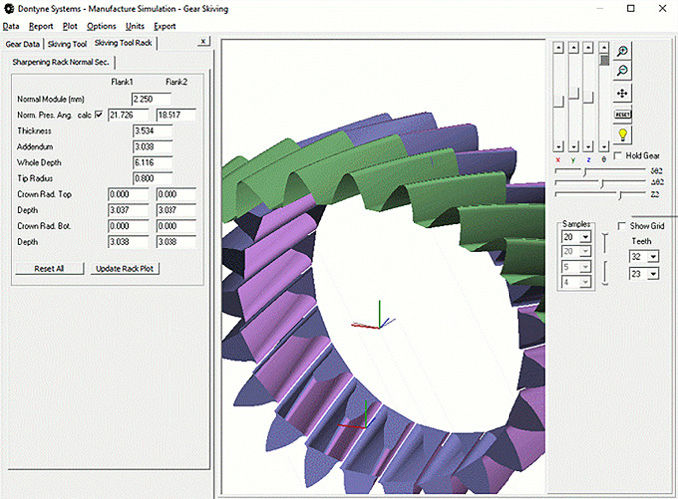
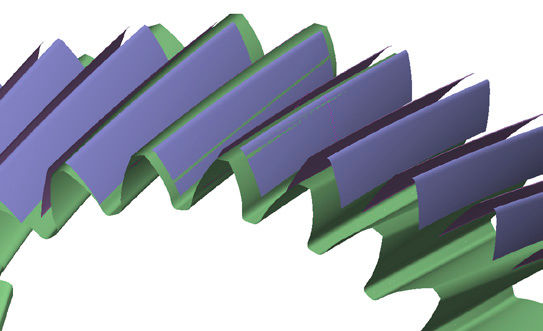
The test program has utilized some of the latest developments in Gear Production Suite (GPS), such as GPS CAM, to enable in-house manufacture of test and slave gears on our 5-axis CNC machine, even when hardened. Dontyne Systems has developed a software program, Dontyne On Machine Measuring System (DOMMS), to enable gear evaluation on CMM or other inspection hardware. This also has a link to SPRINT from Renishaw plc for measurement directly on machine tools. As well as the traditional evaluation plots, there are several displays to utilize the possibilities now available in CAD systems.
GPS can use measurement data to correct errors in production, such as deflection, wear, and thermal changes. Measured data can be utilized in GPS to migrate gear production to 5-axis CNC platforms, which enables companies to produce complex gear forms, such as hypoids, in-house. This has been taken up by motorsport and aerospace, and also by Tier 1 to produce test gears without utilizing volume production platforms.