
Kadia Introduces Compact Honing Machine for Precision and Productivity
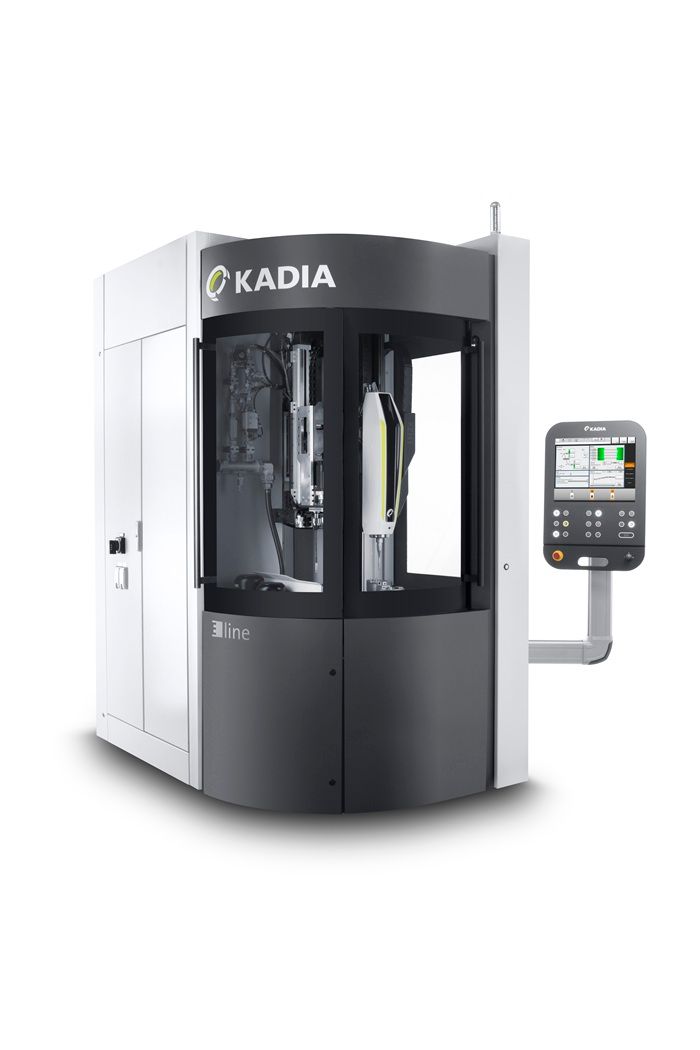
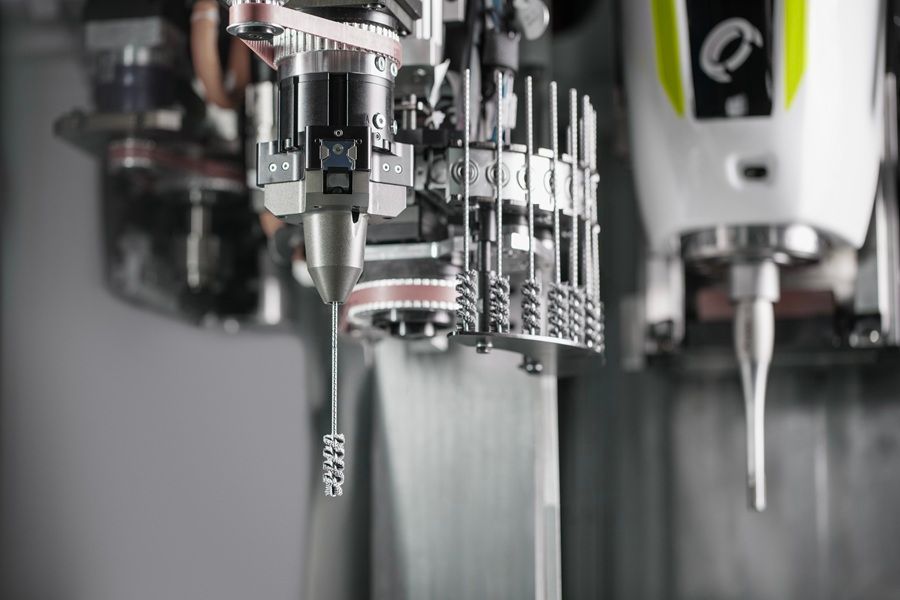
Kadia has released the second generation of the E line honing machine. At the heart of the new machine is the completely redesigned LH2x honing spindle, which consolidates experience from more than 1,000 LH spindles sold into an entirely new platform. Three direct drives for oscillation, rotation, and expansion are housed within a highly rigid monocoque structure that minimizes vibration and reliably absorbs high dynamic forces.
“The E line series is the cost-efficient entry into high-performance honing,” explains Henning Klein, managing director of Kadia Produktion GmbH + Co. “From prototype production and small batches to economically optimized series machining, we now cover a very broad application spectrum.”
This includes honing bores starting at approximately 1.5 mm in delicate small components, as well as machining tasks up to 40–50 mm in diameter — for example in hydraulic components or precision automotive parts.
Compared to the previous LH2, the new spindle generation offers significantly higher cutting speeds, increased material removal rates, greater versatility, and improved serviceability. Larger volumes of material can be removed in shorter timeframes, machining times are reduced, and cycle times decrease — without compromising process stability. For components with demanding geometries, the improved temperature and power stability further enhances machining accuracy and reliability.
The working area has also been significantly expanded. The new rotary table provides approximately 30 percent more diameter for fixtures, substantially broadening the range of components that can be processed. The machine automatically detects the moving mass and adjusts transport speeds accordingly: heavier components are moved more gently, lighter ones more dynamically. This adaptive control reduces imbalance, extends the service life of mechanical components, and lowers wear and maintenance costs over the machine’s lifecycle. Additionally, access to the loading and unloading station has been widened by 12 percent, considerably improving manual loading ergonomics.