

[advertisement]
Feature Articles

December 15, 2025


Manufacturing Machine Tools Grinding Workholding Inspection Features Gears

A Legacy of Precision, Innovation, and Global Leadership

For over 160 years, the Gleason name has been synonymous with groundbreaking advancements in gear technology.

From its origins as a small machine shop to becoming a global leader in precision engineering, Gleason Corporation has continuously redefined the industry. This journey, marked by pioneering inventions and strategic expansions, has left an indelible mark on sectors ranging from automotive and aerospace to robotics and renewable energy.

The Gleason story began in 1865 when William Gleason established his first machine shop in the Brown’s Race district of Rochester, NY. His commitment to precision engineering quickly gained recognition, but it was the invention of the first bevel gear planer in 1874 that transformed the industry. This innovation enabled the mass production of gears with unprecedented accuracy, setting the foundation for Gleason’s future dominance. In 1876, the growing demand for precision gears led William to formally establish The Gleason Works—a company built on craftsmanship and a spirit of continuous innovation. What began as a small workshop soon evolved into a full-scale manufacturing enterprise supplying gear-cutting machines worldwide. As demand for high-quality gears grew, Gleason officially relocated in 1905 to University Avenue, Rochester, NY, which became one of the most advanced industrial sites in the region. The new headquarters allowed for increased production, research laboratories, and training facilities. In 1916, Gleason became a founding member of the American Gear Manufacturers Association (AGMA), helping to establish unified quality standards for gears—a commitment to precision that remains central to the company’s philosophy today.
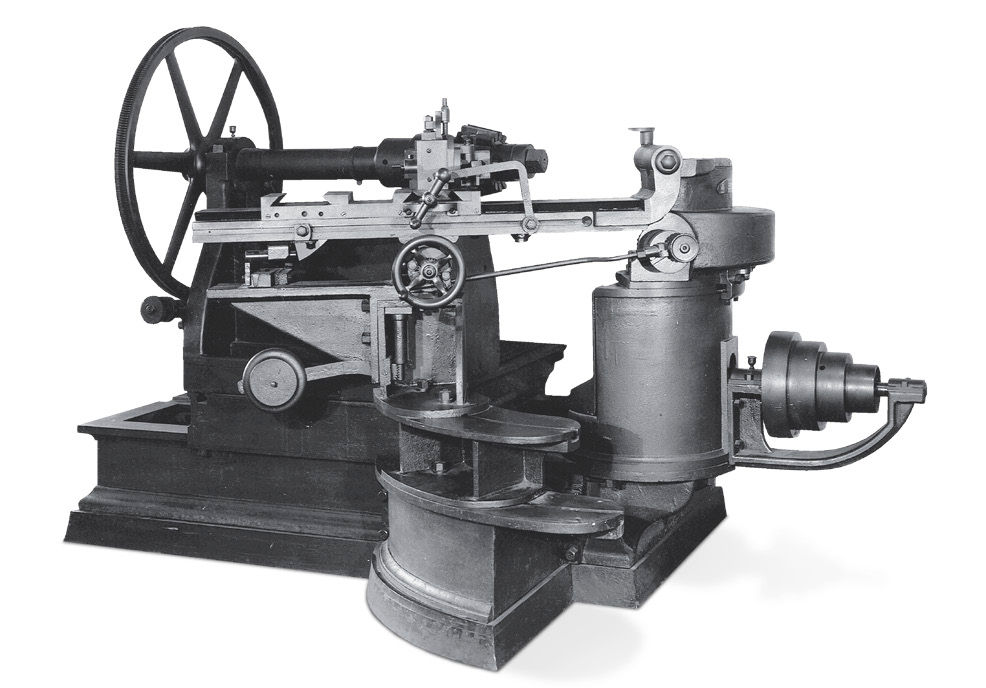
The first Gleason machine is still in existence, preserved at the Henry Ford Museum in Dearborn, MI. Another restored machine is located at the Smithsonian.
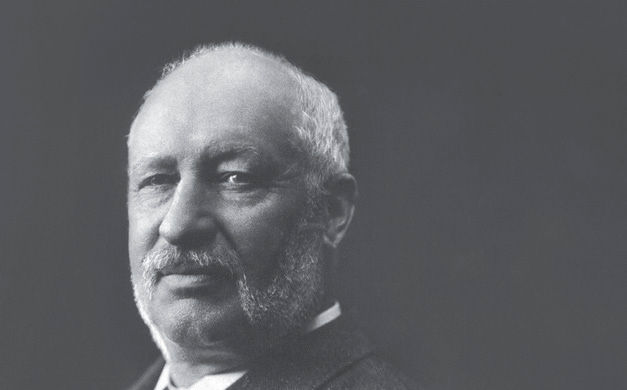
William Gleason was born in Ireland on April 4,1836. He was an accomplished mechanic before his service in the Civil War at Colt’s Armory in Harftord, CT. Gleason’s anticipation of post-war railroad expansion in the United States fueled his belief in metalworking and machinery as keys to the future.

Engineering Breakthroughs and Gear Education 

Throughout its history, Gleason has been at the center of major industrial milestones. As early as the 1880s, its bevel gear technology powered railway expansion, ships, and mining operations during the height of the Second Industrial Revolution. By the early 20th century, Gleason machines were operating on nearly every continent. Gleason’s innovations played a crucial role in numerous engineering landmarks, including the Panama Canal, where its precision gears were integral to the canal’s lock systems. The massive gears, some exceeding 20 feet in diameter, were produced on specialized Gleason planers—a feat of mechanical engineering at that time.
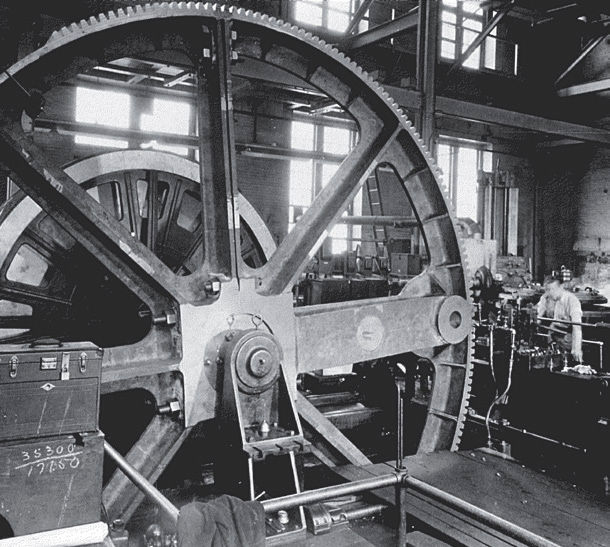
A 20-ft. Gleason spur and internal gear planer is used to cut the gears inside the Panama Canal’s locks and doors.
A 20-ft. Gleason spur and internal gear planer is used to cut thegears inside the Panama Canal’s locks and doors.


To sustain its rapid growth, Gleason launched its first Gear School in 1919, offering structured training for engineers and machine operators. This institution would later evolve into a global center of excellence for gear technology training, the very foundation of what today makes Gleason the number one in education and training for gear manufacturing worldwide.

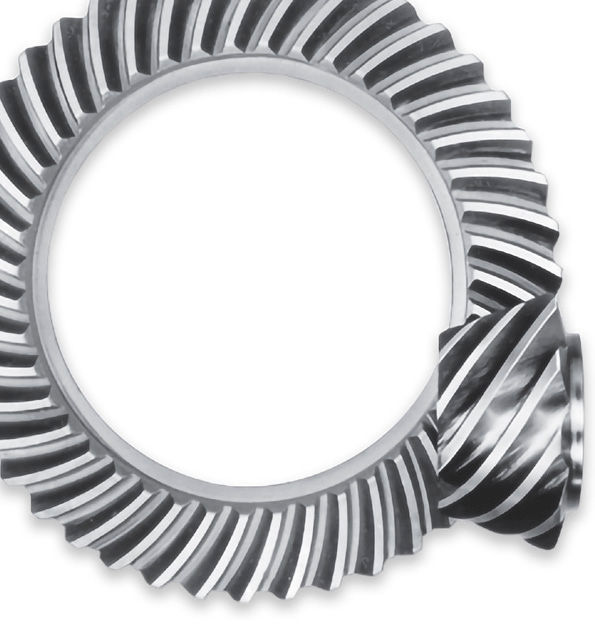
The introduction of the Hypoid Gear in the 1920s, designed by Gleason’s Ernest Wildhaber, revolutionized the automotive industry by improving drivetrain efficiency, enhancing vehicle performance, and enabling modern differentials. Gleason’s patented manufacturing process quickly became the global standard, powering the automobile revolution. During the 1930s and 1940s, the company also contributed to the aviation and defense industries, providing the precision required for aircraft and naval systems. Curvic couplings provided a highly precise gear connection, improving alignment and power transmission in industrial turbines and jet engines. These couplings became indispensable in the aerospace industry and were even used in NASA’s Apollo Space Program, helping humanity take its first steps on the moon.

Share and save:


This article appeared in the November/December 2025 issue.


Read PDF

[advertisement]


A Family of Innovators

The success of Gleason Corporation is deeply intertwined with the vision and dedication of the Gleason family. Each of them played a significant role:

Kate Gleason

A pioneering female engineer and business leader who expanded Gleason’s global reach.

James E. Gleason

A technical innovator who played a crucial role in advancing gear manufacturing technology.

[advertisement]

Andrew C. Gleason

A distinguished mathematician who contributed to scientific advancements beyond the company.

James S. Gleason

The modern architect of the company’s continued success and strategic global expansion.

Expansion, Innovation, and Education 

During the 1950s and 1960s, The Gleason Works expanded and modernized its production to meet booming demand from the automotive and defense industries. A new foundry opened in 1956, and the Rochester facility became one of the world’s most advanced machine tool plants. In 1958, Gleason launched its first Gear School in Rockford, IL, establishing a lasting tradition of customer education in gear theory and manufacturing. At the same time, innovations such as the No. 116 Hypoid Generator and No. 606/607 Formate gear cutting cells with automation became bestsellers worldwide, setting new benchmarks in precision and versatility.

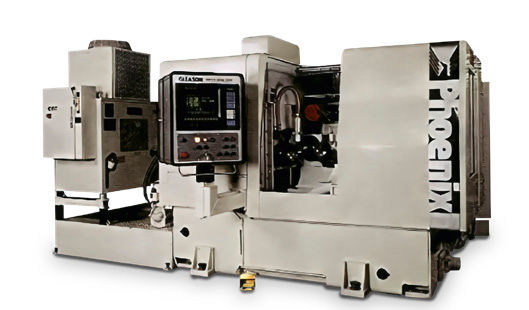
The 1980s brought about another leap forward: The launch of the Phoenix® Machine Series introduced cutting-edge CNC bevel gear cutting and grinding solutions, setting a new industry benchmark for precision and efficiency.

Hypoid gear, designed by gear theory expert Ernst Wildhaber.
During the mid-20th century, Gleason continued its technological leadership by contributing to the Apollo Space Program, where its gears played a critical role in space exploration machinery.
During the mid-20th century, Gleason continued its technological leadership by contributing to the Apollo Space Program, where itsgears played a critical role in space exploration machinery.

Total Gear Solutions

In the 1990s, Gleason continued to diversify, acquiring German Hurth Maschinen und Werkzeuge as well as Hermann Pfauter Maschinenfabrik, leading European gear technology manufacturers that expanded the company’s expertise into cylindrical gear technology. This period marked the beginning of Gleason’s Total Gear Solutions concept—combining all gear manufacturing steps into one integrated process chain. The early 2000s also saw the introduction of the Genesis Series, a line of modular machines that combined precision with flexibility, responding to new demands in automotive, aerospace, and energy sectors. The acquisition of KISSsoft AG in 2016 brought advanced simulation and design software into the company’s digital ecosystem, making Gleason the only gear technology provider covering the complete value chain—from virtual design to finished gear inspection. In the following years, Gleason expanded its research partnerships with universities such as RIT and leading engineering institutions worldwide. In 2025, Gleason further expanded its global footprint and metrology program through the acquisitions of Fubri s.r.l in Italy and the Intra group of companies, strengthening its manufacturing network and service capabilities. Gleason’s guiding principle remains unchanged since 1865: a dedication to precision, partnership, and continuous improvement.

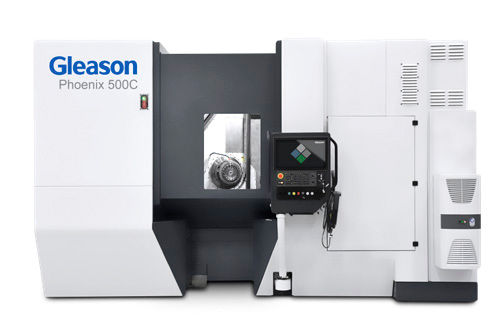
The Phoenix machine series first appeared in 1988, and the latest editions to this line are the 100C and 500C bevel gear cutting machines.

A Future Driven by Innovation 


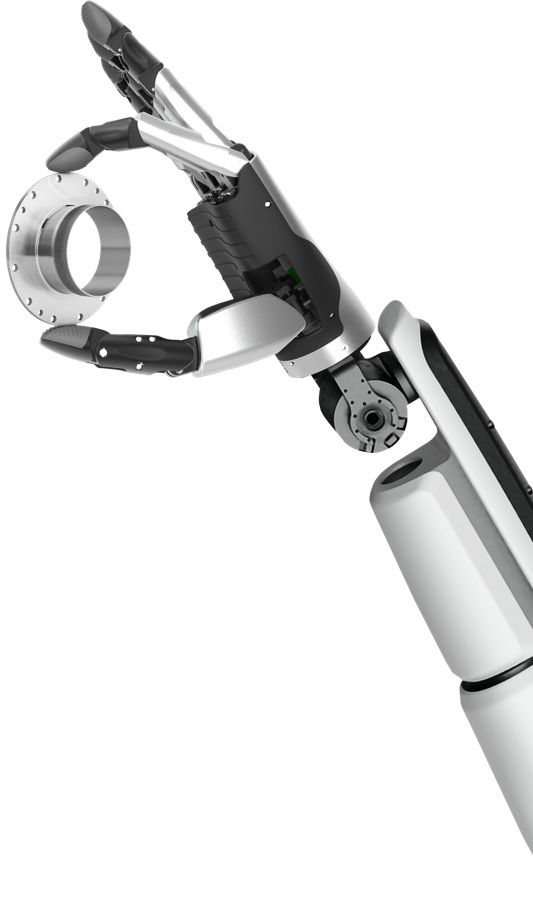
Today, Gleason is at the forefront of technological advancements in wind power, e-Mobility, automation, and robotics.

The culmination of Gleason’s expertise is encapsulated in its “Design, Manufacture, Measure” approach, based on Digital Twins and Smart Loop technology. This ecosystem of advanced simulation, real-time manufacturing, and precise metrology ensures superior quality and performance, redefining the future of gear production. As the company continues to explore new frontiers in digitalization, sustainability, automation and robotics, its legacy of precision engineering remains as strong as ever. With a steadfast commitment to excellence, Gleason is not just shaping gears—it is shaping the future of the industry itself.

gleason.com/160

[advertisement]