



Constructive Failure
In gear engineering, fracture is public enemy number one. Think of all the highly particular ways we case-harden, shot-peen, and obsess over root fillet radii to keep cracks from ever nucleating. The entire discipline of failure analysis rests on a simple premise: breaking is bad. Biology, it turns out, has faithfully exploited fracture as a manufacturing tool, and the details suggest to me, as a thought experiment at least, gear engineers might benefit from paying attention. A recent Quanta article (“Break It to Make It: How Fracturing Sculpts Tissues and Organs,” by Clare Watson, February 27, 2026) reports on a growing body of research, compiled in a February 2026 review in Development, showing that developing animal tissues deliberately fracture themselves to build functional structures. The most directly relevant case for tribologists involves African elephant skin. Elephants don’t shed dead skin cells, so their epidermis thickens continuously. As it grows, it bends around microscopic bumps in the underlying dermis until it cracks, generating an intricate network of channels across the skin surface. These microfractures are less “damage” and more “functional topography.” The channel network retains water when elephants bathe or spray themselves, dramatically improving evaporative cooling. In other words, biological tissue uses controlled fracture to generate a surface texture optimized for fluid retention.
That should sound familiar. Laser surface texturing of gear flanks is an active area of tribological research, with micro-dimples and grooves acting as lubricant reservoirs, hydrodynamic pressure generators, and debris traps. Results have shown meaningful reductions in friction and wear, particularly under boundary and mixed lubrication. But machining micro-texture into hardened gear surfaces is expensive and difficult to scale. The elephant offers a different model: rather than imposing texture from the outside, its skin grows the texture through fracture driven by internal geometry. Additive manufacturing may eventually make a similar approach feasible, building subsurface features designed to guide beneficial crack patterns during post-processing. This raises a practical question for surface engineers: Could controlled microcracking during heat treatment or surface processing be harnessed to create beneficial lubricant-retaining topography, rather than rejected as a defect? We already accept that shot peening introduces beneficial damage in the form of compressive residual stress. The step from “controlled plastic deformation is useful” to “controlled micro-fracture patterning is useful” may be smaller than we assume.
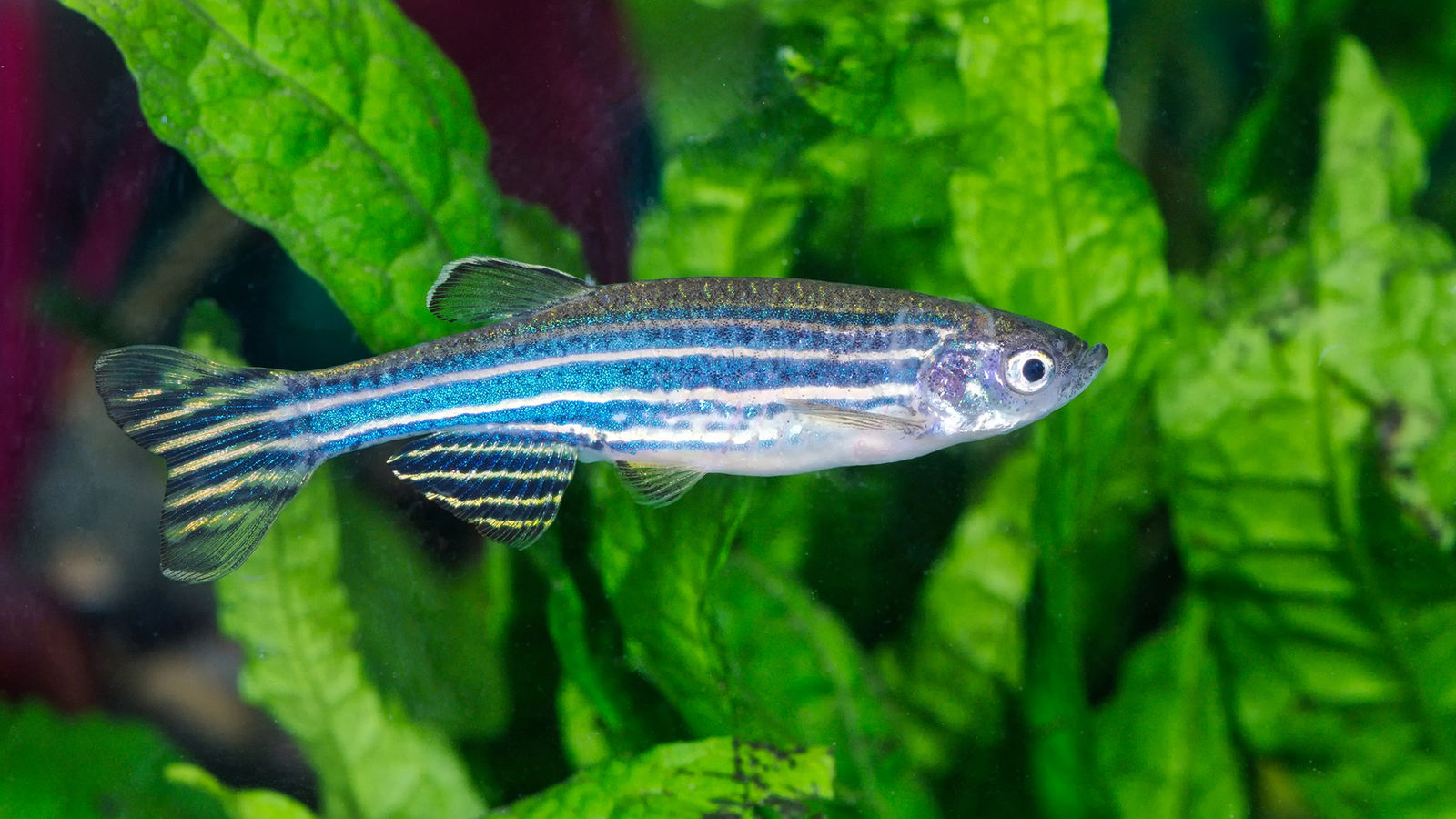
Biology also challenges a deeper assumption in gear design. Traditional practice is overwhelmingly focused on crack prevention: keep stresses below the endurance limit, eliminate inclusions, maximize surface hardness, and ensure fracture never initiates. This makes sense for components where any crack is a runaway failure. But biology operates on a fundamentally different principle, not preventing fracture, but steering it. In a developing mouse embryo, pressurized fluid preferentially ruptures weaker cell-to-cell bonds while stronger junctions stay intact, and the resulting cavity defines the animal’s body axis. In a developing zebrafish heart, cyclic loading fractures the structural matrix lining the heart wall, and the crack locations are governed by geometry and strain distribution rather than material defects.
That echoes aerospace fatigue philosophy, where structures are designed to tolerate cracks and inspections manage their growth. As gears push into lighter, thinner-rimmed, higher-performance territory for aerospace and EV applications, pure crack prevention becomes harder to guarantee. A complementary approach that incorporates damage-tolerant thinking, designing tooth geometries and rim sections so that if a crack does initiate, it propagates into a benign arrest zone rather than through the rim, could add a meaningful layer of reliability. We already see early versions of this in split-path and redundant drive architectures. Biological research suggests the principle can operate at the material and geometry level, too.
None of this means we should welcome cracked gear teeth. But the emerging picture from biophysics reframes an old question: instead of only asking how to prevent fracture, it may be worth asking where we’d want fracture to go if it came. For the zebrafish, the heart is breaking on purpose.
In a developing zebrafish heart, cyclic loading fractures the extracellular matrix in locations governed by geometry and strain, not material defects.