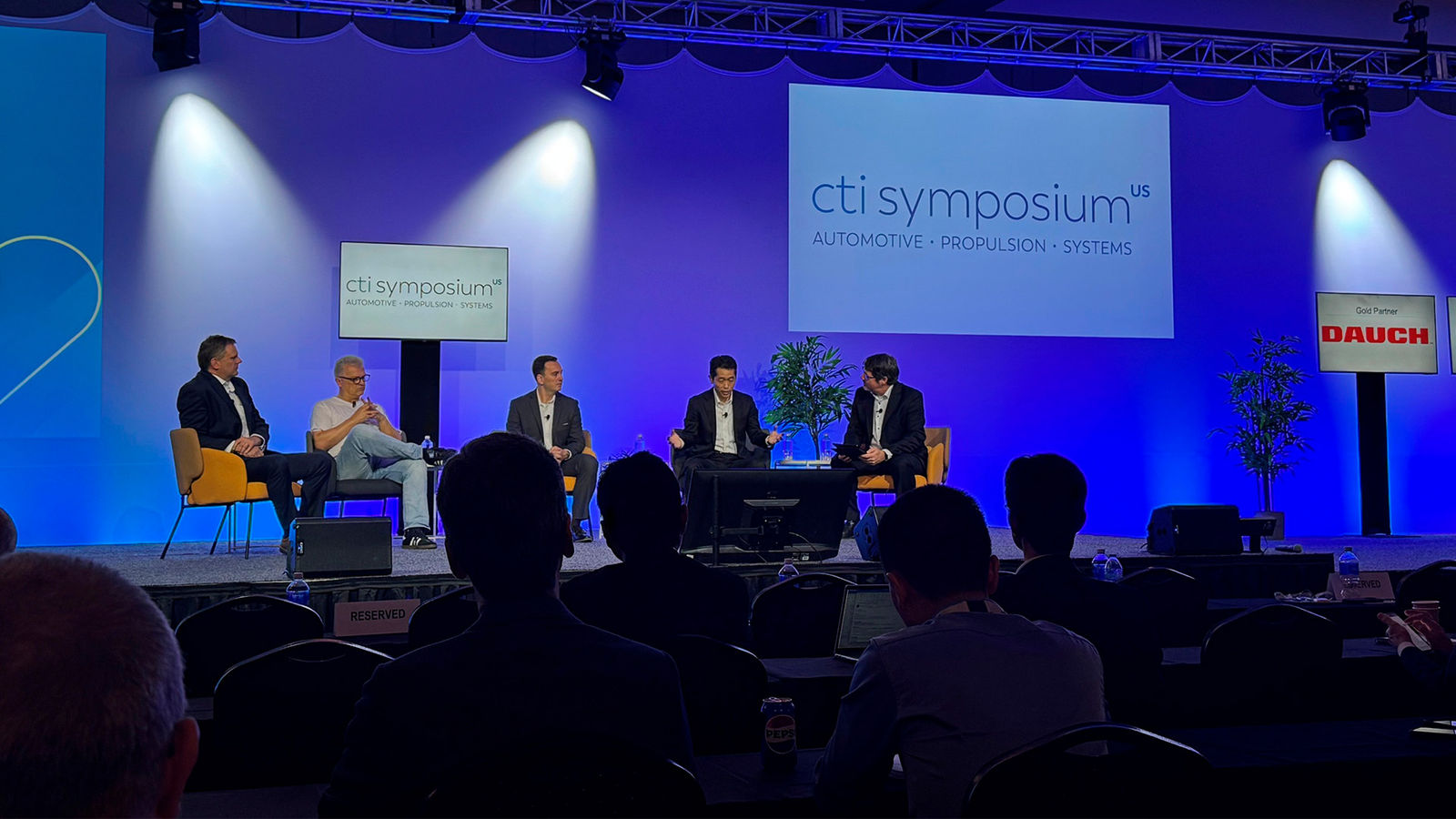
Market forecasts say ICE, hybrids, range extenders, and all-electric vehicles will all play a role in the auto industry through 2040. Ingo Scholten, CTO, Horse Powertrain, said these are the products that will be sharing the roads in the next 15 years. “We’re obligated to make these vehicles as good as possible. It’s no longer a question of picking a single solution but focusing on all the solutions available. What design elements from commercial electric drive vehicles can we bring to the U.S. automotive market? What areas do hybrid teams need to focus on in the future? The consensus is electrification is still the way forward but how fast before we truly get there? The key will be collaboration and ingenuity.”
2. The EREV Alternative
If the initial costs of EVs (as well as range anxiety) still frightens consumers, extended-range electric vehicles (EREVs) continue to be a gateway to full battery electric vehicles. In standard range extenders, a combustion engine drives the electric motor, charges the high-voltage battery and extends the range. This continues to be a popular alternative to BEVs as these vehicles remain independent of the messy charging infrastructure. Trucks and large SUVs have the necessary space for both powertrains, but the jury’s still out on other vehicle segments. EREV models coming out in 2026-2028 include the Ram 1500 REV, Nissan Rogue e-Power, Ford F-150 Lightning EREV, Audi SUV EREV, Ram EREV SUV, Jeep Grand Wagoneer REEV and more.
3. The China Dilemma
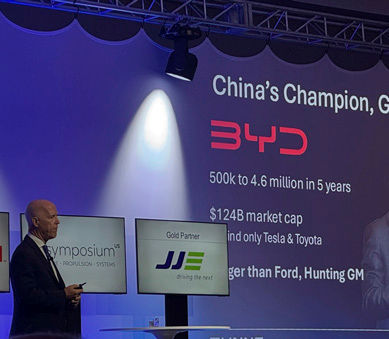
The U.S. automotive road map has little time to figure things out before China comes knocking down the door with a plethora of efficient and cost-effective automobiles just waiting for the average American consumer to test drive. However convoluted or messy the current automotive industry looks like today in America, it’s scarier to think about what it could look like ten years down the road. The Chinese are competing across several industrial segments. They own the cars, the battery technology, they own their own shipping fleets to deliver vehicles across the globe. They’re capable of delivering more than a million vehicles worldwide.
“The thing that makes China formidable competitors is that they’re highly vertically integrated. The best example of this is BYD, not only do they make their own batteries, their own battery cells, their own processing capabilities, but they see North America as the final prize,” said Michael Dunne, Dunne Insights. “Here in the West, the saying “win-win” means both parties win, right? What does “win-win” mean in Chinese? It means China wins twice.”
If we look at Tesla as an example, Dunne said two years ago Elon Musk said Tesla was no longer an EV company. They became an AI and robotics company. Why did he do that? He knew nobody could go toe-to-toe with the Chinese on cost or price. Nobody can do it. The only way to stay ahead in the automotive market is through dramatic innovations, not incremental changes or upgrades. Dunne said we need to do more than just make X percent improvements to hybrid powertrain efficiency, for example.
“Who do the Chinese fear and admire the most? Tesla. Musk has created an amazing company, vertically integrated, supercharger stations. He has his own batteries. He’s got a lithium refinery. The thing that the Chinese spirit admires the most is in our own backyard, but we were like, ‘no, no, that’s Tesla.’ There’s so much we could learn from them. Just look at what Tesla’s doing and model that. That’s what the Chinese do. Innovation is the way forward, “Dunne said.
4. Automotive Brain Power
The companies that refused to put all their eggs in one electrification basket are the companies that have a better path toward future growth and success in automotive.
“We’ve continued to solidify our portfolio via new engines even for high performance vehicles, or to support electrified powertrains. We continue to expand and push out the hybrid system across the entire lineup,” said Jordan Choby, group vice president, powertrain engineering, Toyota. “The hybrid is becoming really our core, right? We have been able through continuous evolution of that system, via cost performance, driving engagement, etc. to create a great value proposition for the customer.”
Micky Bly, senior vice president, propulsion systems, Stellantis, said engineers must take a Rubik’s Cube approach to the automotive market today. “We need to take every type of powertrain technology today and study the various combinations. Maybe the EV solution is the potential path to simplify some of these challenges, but you should not overreact in the short term.”
The threat from China, however, doesn’t need to cause panic if the engineering teams continue to do what they do best here in North America.